What is Text-to-image?
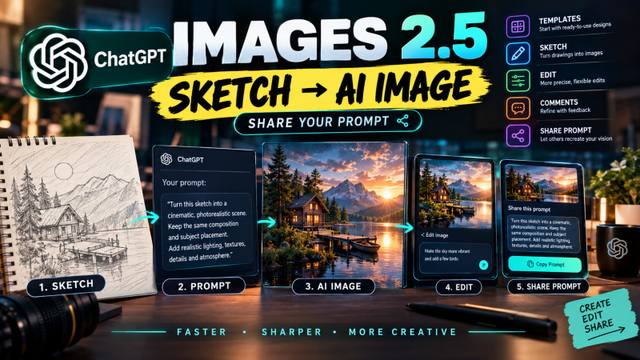
Creating a picture from a written description. The core feature of ChatGPT images, Gemini, Midjourney and Flux.
You describe the image and the model generates it from scratch. The more specific you are about subject, clothing, setting, lighting, camera angle and style, the more control you have.
Text-to-image models are excellent at mood, style and composition, and keep improving at hands, text in images and consistent faces — the three classic weak spots.
Each tool has its own taste. Some lean photorealistic, some lean artistic, and some follow long prompts more literally than others. When a result is close but not right, change one detail at a time — the light, the lens, the outfit — instead of rewriting the whole prompt, so you learn which words actually move the image.
Prompt skeleton
Subject + outfit/details + setting + lighting + camera/lens + style + aspect ratio. Example: “Bride in red Banarasi saree, temple courtyard, soft morning light, 50mm portrait, cinematic colour grade, 4:5.”
Related terms
The main technology behind AI images and video: the model starts from random noise and gradually refines it into a picture that matches your prompt.
Giving the AI an existing photo plus instructions, so it transforms that image instead of starting from nothing.
The width-to-height shape of an image or video, like 9:16 for reels, 4:5 for Instagram posts or 16:9 for YouTube.
Telling an image model what you don't want — extra fingers, blur, text, watermarks — so it avoids those things.