OpenAI Launches ChatGPT Work: AI Agents Move From Chat to Task Execution
ChatGPT Work pushes AI past conversation into real task execution across apps, files and workflows. Here is what changes for teams in 2026.
By Prompt Mandi Desk
From answering questions to finishing work
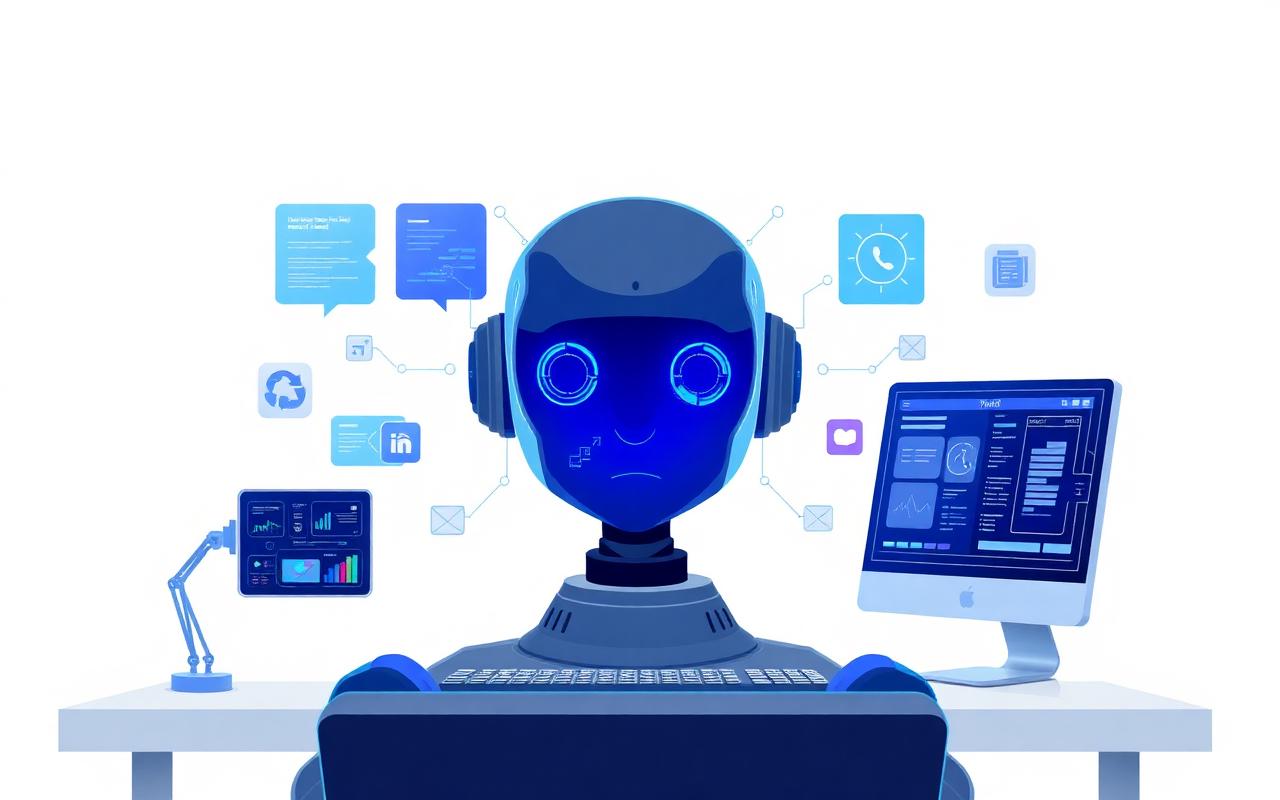
The biggest shift in AI right now is simple to state: assistants are no longer only answering questions, they are completing tasks. ChatGPT Work is OpenAI''s clearest move in that direction — a workplace layer where the model can read company files, connect to internal apps and carry a job from instruction to finished output.
What "task execution" actually means
- File-aware work. Instead of pasting text, teams point the assistant at documents, sheets and decks and ask for a deliverable.
- App connections. Calendar, email, storage and ticketing tools become places the assistant can act, not just describe.
- Multi-step runs. One instruction can trigger a chain: gather, analyse, draft, format, deliver.
Why it matters for creators and small teams
For a two-person content team, this is the difference between an assistant that writes a paragraph and one that assembles the whole brief: research pulled, outline drafted, images captioned, publishing checklist ticked.
The realistic limits
Agentic systems still need supervision. They misread ambiguous instructions, over-trust stale documents and occasionally take a confident wrong turn. The teams getting value are the ones that:
- keep a human approval step before anything is sent or published,
- give the agent narrow, well-scoped jobs,
- log what it did so mistakes are traceable.
What to watch next
Expect pricing tiers around agent usage, deeper permissions controls, and competition from Anthropic and Google shipping similar workplace layers. The interesting metric in 2026 is not model benchmark scores — it is how many steps an agent can complete before a human has to step in.